
Why Toothache Is Never Just a Tooth Problem
A toothache is one of the most common and most disabling pains a person can experience. In Nigeria, dental pain is also one of the most undertreated — not because dentists do not exist, but because dental care is seen as an afterthought in a healthcare system already stretched by more visibly threatening conditions, and because cost, access, and cultural attitudes around teeth lead millions of Nigerians to endure tooth pain for weeks or months before seeking help. A toothache is not trivial. A severely infected tooth can spread bacteria to the jaw, the floor of the mouth, and in rare cases the brain. It can cause fever, facial swelling, and life-threatening deep neck infection. Understanding what a toothache means and when it needs urgent care is genuinely important knowledge.
What Causes a Toothache?
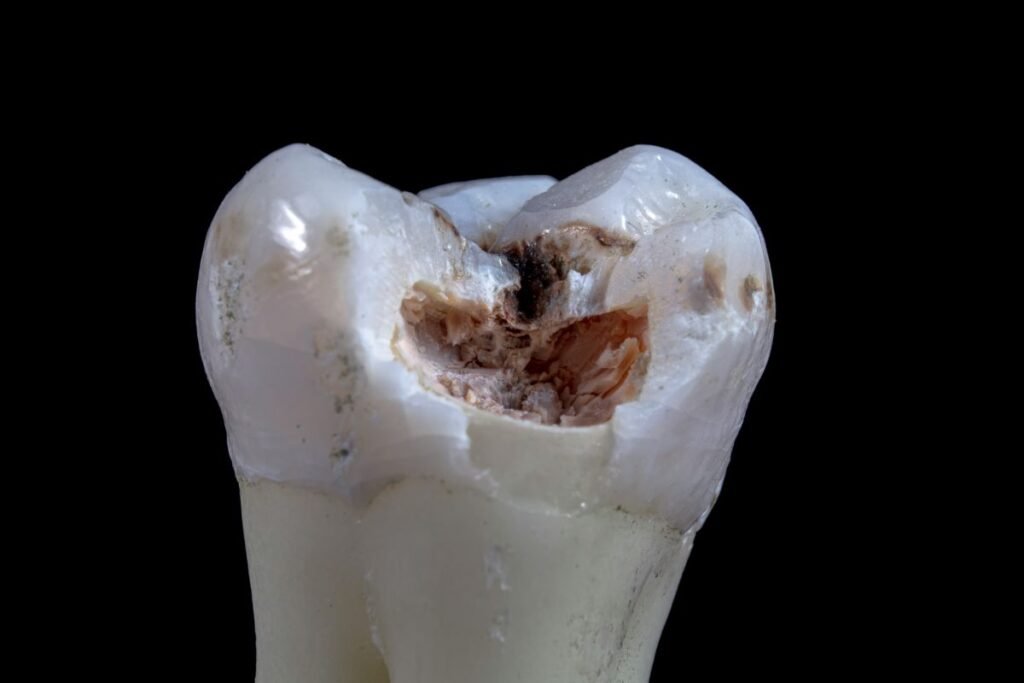
- Dental decay reaching the nerve: bacteria in the mouth produce acid from sugar in the diet, eating progressively through enamel, then dentine, until the living nerve at the centre of the tooth is involved. This stage produces severe, constant pain.
- Dental abscess: a pocket of pus at the root tip or in the gum caused by bacterial infection. Causes intense, throbbing pain — often with facial swelling, fever, and a foul taste in the mouth.
- Cracked or broken tooth: a crack allows temperature and pressure to reach the nerve, causing sharp pain on biting or with temperature changes.
- Gum disease: severe inflammation around the root of the tooth causes localised pain and sensitivity.
- Wisdom tooth eruption or impaction: the last molars to come through (ages 17 to 25) cause significant pain, swelling, and difficulty opening the mouth if they are stuck at an angle under the gum.
- Lost or broken filling: exposes sensitive dentine, causing sharp pain with hot, cold, and sweet foods.
How Serious Is It? Knowing When to Go Immediately
- Mild brief sensitivity to temperature that resolves in seconds: early decay or exposed root — needs a dentist soon but is not an emergency
- Constant dull aching that is worsening day by day: nerve involvement — see a dentist within a few days
- Severe throbbing constant pain with facial swelling, fever, or difficulty opening the mouth: DENTAL EMERGENCY — go to a dentist or hospital today
- Pain waking you from sleep, or pain not relieved by paracetamol: significant nerve or abscess involvement — urgent dental assessment needed
- Swelling spreading to the neck, or causing difficulty swallowing or breathing: go to a hospital emergency department IMMEDIATELY — this is life-threatening
What You Can Do While Waiting to See a Dentist
Rinsing gently with warm salty water (half a teaspoon of salt in a glass of warm water) reduces inflammation and keeps the area clean. Paracetamol or ibuprofen taken at the correct dose with food can reduce pain temporarily. A cold pack wrapped in cloth against the outside of the cheek reduces swelling from an abscess. Avoid very hot, cold, and sweet foods and drinks on the affected side. Do not place aspirin or any herb directly on the tooth or gum — this does not help and can chemically burn the soft tissue. These measures manage symptoms only. They do not treat the underlying infection, which will worsen without professional dental care.
The Nigerian Habit That Makes Toothaches Worse
Across Nigeria, a toothache is most commonly managed with agbo (herbal decoction), traditional remedies applied to the gum, or by tying a cloth around the jaw and waiting. For very mild early sensitivity, some traditional remedies provide brief comfort. For a tooth with an active abscess, they delay the care that is actually needed. An untreated dental abscess does not resolve — it either bursts temporarily, giving false relief, or continues to spread to deeper tissues. A tooth that could have been saved with a filling three months ago may now require extraction. The cost of procrastination in dental care is almost always higher than the cost of early treatment.
How Doc on Wheels Can Help
If you have dental pain and are not sure how serious it is, you can speak to a doctor through the Doc on Wheels app immediately. Our doctors can assess your symptoms, advise on the urgency of the situation, and help you understand whether this needs same-day emergency dental or hospital care, or a routine appointment. For fever and pain management while you arrange in-person care, our doctors can advise appropriately.