
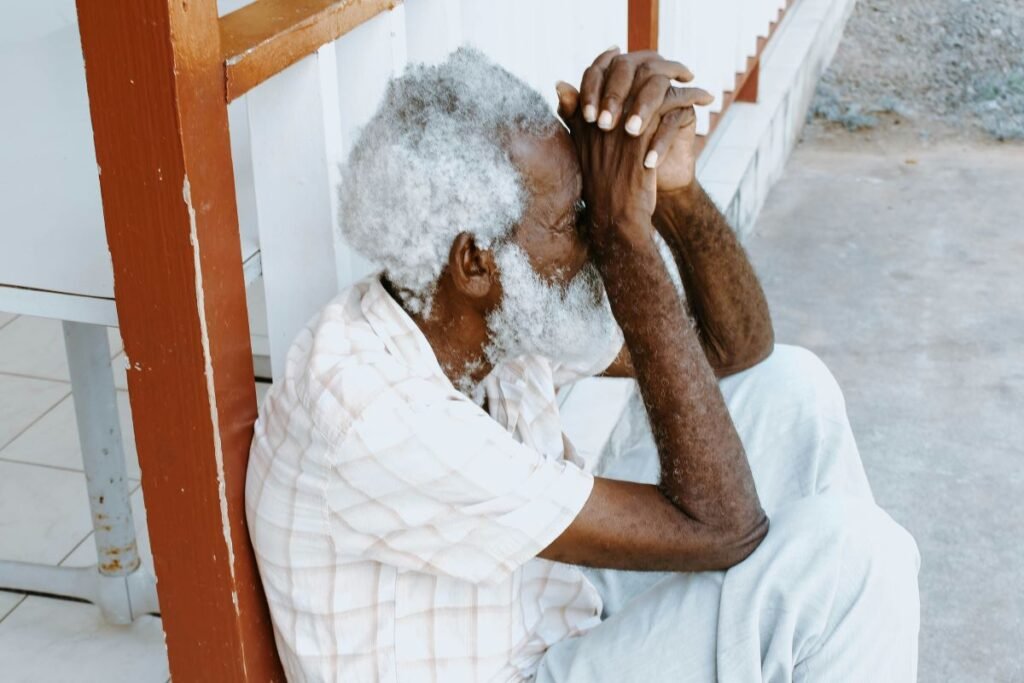
What Frailty Means — and Why It Matters
Frailty is a medical concept that describes a state of reduced physiological reserve across multiple body systems — a point where the body’s ability to cope with stress has diminished to the extent that even minor events (a mild infection, a change in medication, a short period of bed rest) can trigger a large and disproportionate decline in health and independence. A frail older adult may function adequately under normal circumstances but deteriorate rapidly with any additional challenge. Frailty is not the same as being ill and not the same as being old — two 80-year-olds can have completely different frailty profiles based on their muscle mass, nutritional status, physical activity, and accumulated medical conditions. Identifying frailty early opens the door to interventions that can genuinely slow its progression.
The Signs of Frailty in an Older Person
- Unintentional weight loss — the person is losing weight without trying, clothing is becoming loose, the face and limbs are visibly thinner
- Muscle weakness — difficulty opening jars, carrying shopping, rising from a low chair without using the arms
- Persistent exhaustion — the person feels tired most of the time, even after rest, and this is new
- Very slow walking speed — noticeably slower than other people of the same age
- Very low activity level — barely moving from a chair or bed throughout the day
- Three or more of these together significantly increases the risk of falls, hospitalisation, and death from minor illness
Falls — The Event That Can End Independence
Falls are the leading cause of injury-related death in older adults and one of the most common reasons for the loss of independence in older Nigerians. A hip fracture in a 70-year-old Nigerian — a common consequence of a fall — carries a significant risk of death within one year, and many survivors never return to their pre-fracture level of function. In Nigeria, where orthopaedic surgical care is limited outside tertiary centres, where rehabilitation services are scarce, and where the financial burden of hospital admission can deplete a family’s savings, the consequences of a hip fracture are particularly severe. Beyond the physical injury, falls cause a profound fear of falling again that leads older adults to reduce their activity dramatically — and that inactivity causes muscle wasting and deconditioning that makes the next fall more, not less, likely.
Why Older Adults Fall — The Factors That Can Be Changed
- Muscle weakness — the most important and most modifiable factor. Gentle strength and balance exercises, done consistently, reduce falls significantly.
- Poor vision — blurred or reduced vision from cataracts or uncorrected refractive error is extremely common in older Nigerians and a major fall risk. Cataract surgery and correct spectacles both dramatically reduce falls.
- Too many medications — certain common medications, including those for high blood pressure, those for anxiety or insomnia, and blood sugar medications, can cause dizziness and low blood pressure on standing. Any older adult on multiple medications should have these reviewed regularly.
- Low blood pressure when standing (orthostatic hypotension) — when rising from a chair or bed, blood pools in the legs before the body has time to compensate, causing dizziness. Rising slowly, sitting on the edge of the bed for a minute before standing, and staying well hydrated helps.
- Home hazards — loose rugs that catch feet, poor lighting especially at night, a bathroom without grab rails, a toilet that is too low
- Inappropriate footwear — flip-flops, backless slippers, and shoes without grip are major fall risks indoors and outdoors
Urinary Incontinence — Undertreated, Underreported, and Entirely Relevant to Falls
Urinary incontinence — the involuntary leakage of urine — affects a large proportion of older Nigerians and is almost universally undertreated. Older adults do not report it to doctors because they assume it is normal, because they feel ashamed, or because they have been told there is nothing that can be done. None of these are true. Incontinence significantly contributes to falls — rushing to the toilet at night, when the room is dark and the person is half asleep, is a classic scenario for falls and hip fractures. Urge incontinence (a sudden, urgent need to urinate that cannot be controlled) and stress incontinence (leaking when coughing, laughing, or lifting) are both treatable with specific exercises, bladder training, and in some cases medical management. Every older Nigerian adult with incontinence deserves a proper assessment.
Building Strength and Staying Independent
The most evidence-based intervention for frailty and falls prevention in older adults is exercise — specifically, resistance and balance training. In the Nigerian context this does not require a gym or special equipment. Exercises that can be performed at home — rising from a chair repeatedly without using the arms, standing on one leg briefly while holding a support, gentle squats against a wall — all build the leg and core strength that prevents falls. Adequate nutrition is equally important — protein intake in particular supports muscle maintenance in older adults, and many older Nigerians are protein-insufficient. Beans, eggs, fish, and meat in whatever amounts the person can access and afford should be included in daily meals.
How Doc on Wheels Can Help
For older adults who have recently fallen, who are becoming more frail, or who have mobility or continence concerns, a doctor through Doc on Wheels can conduct a home-based assessment of fall risk, review medications for dangerous combinations and doses, arrange blood tests at home, and connect the person with physiotherapy and specialist services. We can also advise families on home modifications that reduce fall risk. Independence is worth fighting for — and the right support makes that fight winnable.