
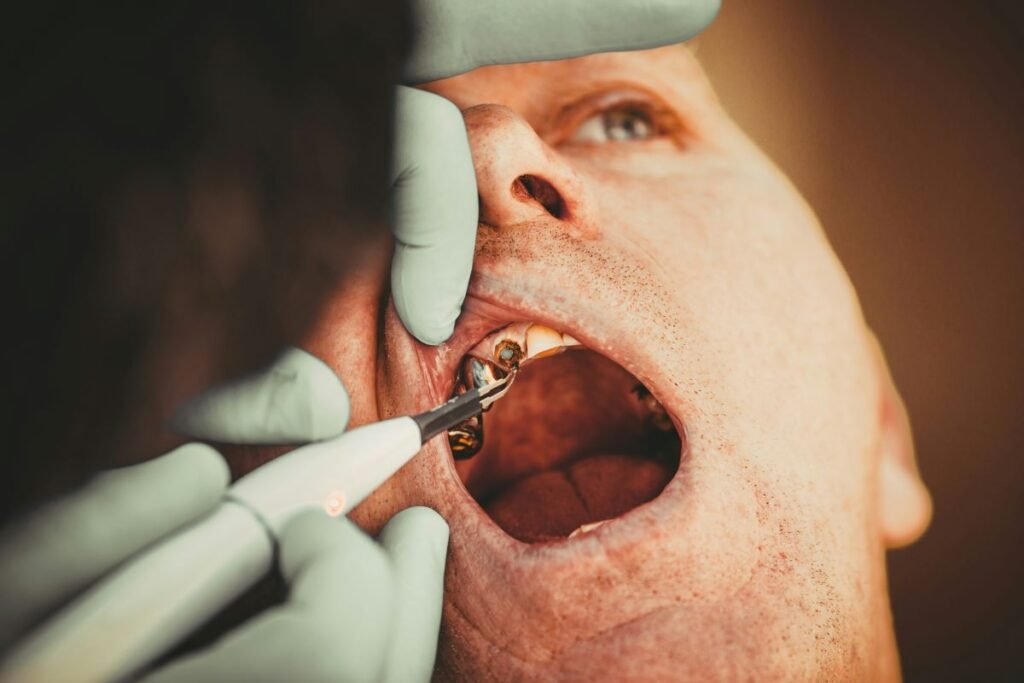
A Cancer That Hides in Plain Sight
Oral cancer — cancer of the lips, tongue, cheeks, floor of the mouth, palate, and gums — is not frequently discussed in Nigeria, but its consequences are severe and its diagnosis here is almost always late. Oral cancers found early are highly treatable and often curable. Oral cancers found at an advanced stage — which describes the majority in Nigeria — require extensive surgery, radiotherapy, or chemotherapy, with significant disfigurement and a much harder prognosis. The tragedy is that the mouth is directly visible. Any Nigerian who knows what to look for can examine their own mouth in 90 seconds with a mirror and a torch. The gap between early detection and late diagnosis is almost entirely one of awareness.
Who Is at Risk in Nigeria?
- Tobacco users in any form — cigarette smoking, tobacco chewing, and snuff use are all significant risk factors. The combination of tobacco and heavy alcohol multiplies risk dramatically.
- Heavy alcohol consumers — alcohol is an independent risk factor and synergises with tobacco
- People with chronic, non-healing mouth ulcers
- People with HIV and immunocompromising conditions
- Adults over 50 — most oral cancers occur in this age group
- People with consistently poor oral hygiene and chronic irritation from sharp broken teeth or ill-fitting dentures
- HPV infection is an increasing cause of oropharyngeal (throat) cancer in younger non-smoking adults globally, including Nigeria
Warning Signs That Must Be Investigated Without Delay
- A mouth ulcer, sore, or wound that has not healed after three weeks — the single most important warning sign. Never ignore this.
- A white patch (leukoplakia) or red patch (erythroplakia) anywhere inside the mouth that has been present for more than two weeks and cannot be rubbed off
- A lump, thickening, or rough area on the tongue, cheek, floor of the mouth, gums, or palate
- Persistent numbness or loss of feeling in the mouth, lips, or tongue
- Difficulty chewing, swallowing, or moving the jaw or tongue
- A painless lump in the neck — enlarged lymph node from cancer that has spread
- Unexplained bleeding in the mouth
- Critical: early oral cancer is frequently painless. Do not wait for pain before investigating a suspicious lesion.
The 90-Second Self-Examination
Stand in front of a mirror in good light. Look at the roof of the mouth and palate. Look at the inside of each cheek by pulling it outwards. Lift your tongue and look at the floor of the mouth — run a finger along underneath. Stick your tongue out and examine the top surface, then tilt it to look at both sides — the sides of the tongue are the most common site for tongue cancer and are the area most frequently missed. Feel along the jawline and under the chin for any lumps. If you smoke, drink heavily, or use tobacco in any form, this examination should be a monthly habit.
What to Do If You Find Something Suspicious
If you find a sore, lump, white or red patch, or any change inside your mouth that has been there for more than three weeks without an obvious cause, see a dentist or doctor promptly. Do not apply herbal preparations and wait another month. A suspicious lesion that turns out to be benign is reassuring news after a quick assessment. A lesion that is oral cancer, found at stage I, has a survival rate exceeding 80%. Found at stage IV, the situation is dramatically different.
How Doc on Wheels Can Help
If you have a sore, lump, or change in your mouth that concerns you, a doctor through the Doc on Wheels app can speak with you, assess your risk factors and symptoms, and advise on the urgency of an in-person assessment. We can direct you to the appropriate facility — dental clinic, ENT, or oral surgery — and help you navigate getting a prompt evaluation.