
That Sharp Pain With Cold Water — It Is Not Normal
Tooth sensitivity — a sharp, sudden, brief pain in response to hot, cold, sweet, or acidic stimuli — affects at least one in three Nigerian adults. It is widely accepted as a normal feature of teeth, which it is not. It is a symptom with identifiable causes, most of which are manageable, and some of which indicate underlying dental disease that will progress without treatment. The fact that millions of Nigerians simply avoid cold drinks and ice because of tooth pain, rather than seeking the source, is a significant quality-of-life problem with a solution.
Why Teeth Become Sensitive
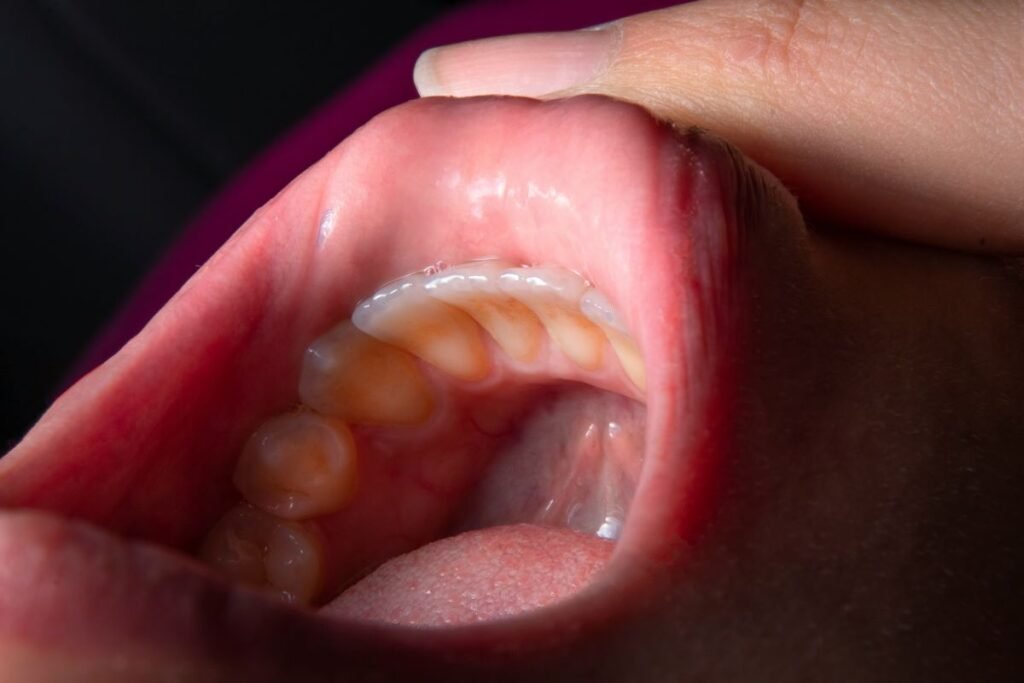
The outer layer of the tooth — enamel — is an excellent insulator. Below it lies dentine, which contains thousands of microscopic fluid-filled tubules leading to the nerve at the tooth’s centre. When enamel is eroded by acid or wear, or when the gum recedes and exposes the root surface, these tubules are exposed. Any stimulus — cold, heat, sweetness, acid — causes rapid fluid movement in the tubules, detected by the nerve as sharp pain. This pain is the hallmark of dentinal hypersensitivity. The cause of the exposure determines the treatment.
Common Causes in Nigerian Adults
- Brushing too hard with a hard-bristled toothbrush — one of the most common causes of gum recession and enamel wear in Nigeria, where scrubbing harder is widely associated with cleaner teeth. This destroys the gum and enamel gradually over years.
- Enamel erosion from acid — frequent carbonated drinks (Coke, Fanta, Pepsi), citrus juices, fermented drinks including palm wine, and acidic traditional beverages gradually dissolve enamel
- Gum recession from gum disease — as gums pull away from teeth, the root surface becomes exposed and sensitive
- Teeth grinding during sleep (bruxism) — often stress-related, causing significant enamel wear. Many Nigerians grind teeth without knowing it — a partner who reports grinding sounds at night is an important clue.
- Cracked tooth — allows direct thermal access to the inner nerve
- Tooth decay reaching the dentine layer
- Recent dental work — normal temporary sensitivity after fillings or cleaning, usually resolving within weeks
Sensitivity vs. Toothache — An Important Distinction
Dentinal sensitivity is brief — the pain lasts a few seconds and disappears when the trigger is removed. A toothache involving the nerve or an abscess is more prolonged, often throbbing, may occur without any trigger, and tends to worsen over time rather than resolve in seconds. Sensitivity that is getting worse over weeks, that lingers more than 30 seconds after a trigger, or that is accompanied by visible tooth changes — these suggest something beyond simple sensitivity and warrant dental assessment promptly.
What You Can Do
- Switch to a soft-bristled toothbrush and use light pressure — you are removing plaque, not paint
- Use a desensitising toothpaste containing potassium nitrate or stannous fluoride — brush with it and leave it on the teeth rather than rinsing immediately. Consistent daily use builds up protection over time.
- Reduce frequency of acidic drinks — if you drink carbonated drinks, do so with a meal and use a straw to minimise tooth contact
- Do not brush immediately after an acidic meal or drink — wait 30 minutes to allow the softened enamel to reharden before brushing
- If you grind your teeth, see a dentist for a night guard — a custom-fitted guard worn during sleep protects the enamel from further wear
- See a dentist if sensitivity is worsening, affecting what you eat, or has been present for more than a few weeks
How Doc on Wheels Can Help
If you have tooth sensitivity and are unsure whether it needs dental attention, speak to a doctor through the Doc on Wheels app. Our doctors can help assess whether your symptoms suggest an urgent issue or one manageable with home care, and guide you towards appropriate dental review.