
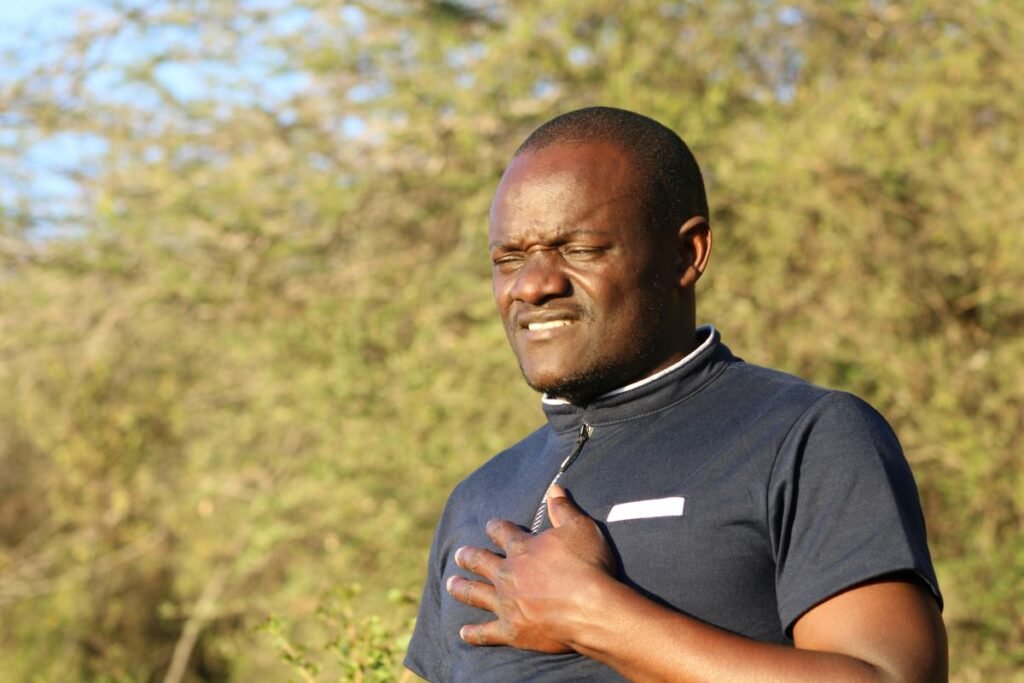
Breathlessness in Old Age Is Not Normal
One of the most common and most harmful phrases in Nigerian elder care is ‘e don dey old, e go dey breathe like that’ — accepting worsening breathlessness in an elderly parent or grandparent as an unavoidable part of ageing. In many cases, that breathlessness is COPD or poorly controlled asthma — conditions with real diagnoses, real treatments, and real potential for meaningful improvement with appropriate management. Some degree of reduced exercise capacity is normal with ageing, but progressive breathlessness that limits daily activities, a chronic productive cough, or recurrent chest infections are not normal ageing — they are symptoms of lung disease that deserves evaluation.
COPD in Older Nigerian Adults
Chronic Obstructive Pulmonary Disease in older Nigerians has a distinctive epidemiological profile compared to Western countries. While cigarette smoking is certainly a contributing factor, biomass fuel exposure is equally or more important in the Nigerian context — decades of cooking over wood, charcoal, and kerosene stoves in small, poorly ventilated kitchens is a major cause of COPD in older Nigerian women who may never have smoked a cigarette. Dust exposure in agricultural and artisanal occupations contributes further. The result is a significant burden of COPD in older rural Nigerians, largely undiagnosed because spirometry — the breathing test needed to confirm COPD — is unavailable in most primary care settings.
Asthma in Older Adults — Differently Presenting and Often Missed
Asthma can develop for the first time in older adults — a pattern sometimes called ‘late-onset asthma’ — and it can also persist from childhood or adulthood into old age. In older adults, asthma presents particular diagnostic challenges: breathlessness and wheezing may be attributed to heart failure, to age-related deconditioning, or to COPD, delaying the correct diagnosis. Importantly, some medications very commonly prescribed to older adults — particularly beta-blockers used for heart disease and hypertension — can precipitate severe asthma attacks in susceptible individuals. Any older adult with asthma who is being started on new heart medications should discuss this risk explicitly with their doctor.
Signs That Suggest Lung Disease in an Older Adult
- Chronic cough with mucus that has been present for months or years and is progressively getting worse
- Breathlessness on activities that were not previously difficult
- Wheezing — a squeaky or whistling sound when breathing, particularly breathing out
- More than two chest infections per year requiring treatment
- Waking at night with coughing, wheezing, or breathlessness (more characteristic of asthma)
- Breathlessness triggered by specific exposures — smoke, dust, cold air, strong smells
- Blue lips or fingernails — a sign of dangerously low oxygen levels requiring immediate emergency care
What Helps — Practical Management for Older Nigerian Adults
- If you smoke, stop — even at an advanced age, stopping smoking slows the rate of COPD progression
- Improve cooking ventilation — if an elderly person cooks over a biomass stove, improving airflow in the kitchen (open windows, cooking outside, using a cleaner fuel source) reduces ongoing lung damage
- Annual influenza vaccination and pneumococcal vaccination — chest infections trigger severe COPD exacerbations and can be life-threatening in older adults with lung disease
- Stay as physically active as the person safely can — deconditioning from inactivity worsens breathlessness and is a vicious cycle
- Recognise the signs of an exacerbation early — significantly worsening breathlessness, increased mucus, change in mucus colour — and seek medical attention promptly before it becomes an emergency
- Ensure inhalers are used correctly — incorrect inhaler technique renders the medication largely ineffective
How Doc on Wheels Can Help
If an older adult in your family has worsening breathlessness, a chronic cough, or frequent chest infections, a doctor through Doc on Wheels can assess their symptoms, advise on investigation and management, and arrange referrals for lung function testing and specialist review. For elderly patients who find clinic attendance extremely difficult due to breathlessness, we bring the consultation home.