
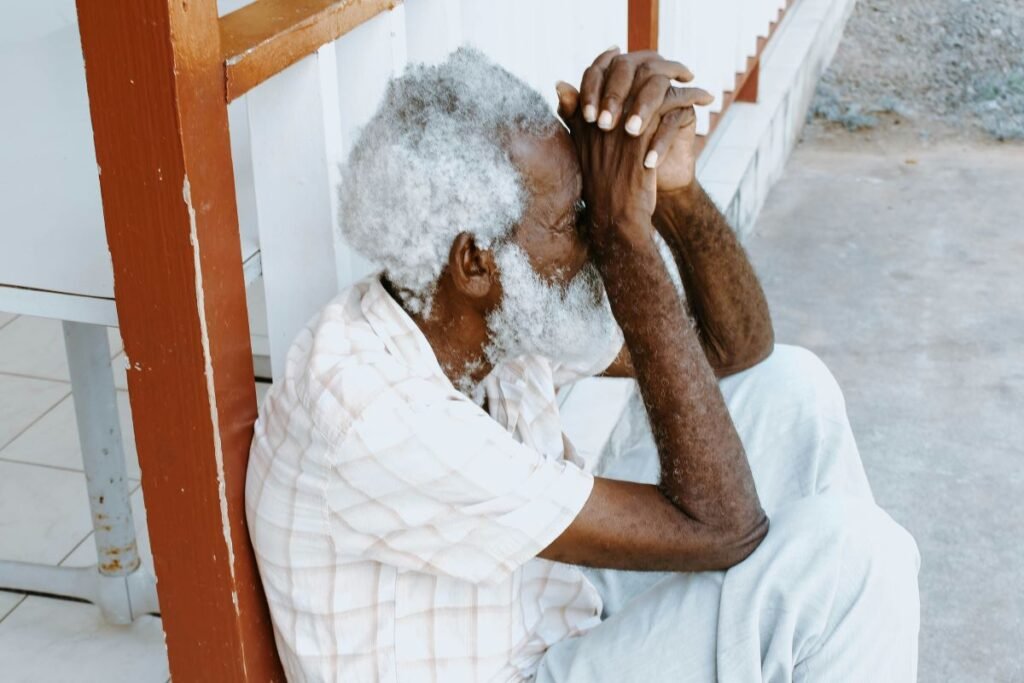
The Suffering That Gets Called Old Age
Depression is the most common psychiatric disorder in older adults worldwide, and in Nigeria it is almost entirely invisible — absorbed into the background noise of frailty, bereavement, and the losses that accumulate with age. An older Nigerian parent who has stopped enjoying anything, who no longer wants to eat or leave the house, who expresses a wish to die, or who says frequently that life is no longer worth living — this person may be depressed. Not sad in a normal way. Not simply old. Clinically depressed, in a way that is causing real suffering, that is genuinely impairing their quality of life and health, and that responds to proper treatment. Depression in older adults worsens every chronic disease it coexists with. It reduces adherence to medication and follow-up. It increases the risk of death — not just by suicide, but through the biological effects of untreated depression on the cardiovascular and immune systems.
Why It Is Missed and Dismissed
Depression in older Nigerian adults is missed for several reasons. The presentation is often not emotional but somatic — the person complains of headaches, stomach problems, back pain, and general body weakness rather than sadness, and these complaints are investigated repeatedly without a physical cause being found. Family members and health workers attribute low energy, withdrawal, and poor appetite to normal ageing. The person themselves may deny being ‘depressed’ because the word carries heavy stigma, but will agree that they feel empty, tired of life, or that the joy has gone out of everything. There is also an assumption — sometimes explicit, sometimes implicit — that older adults are supposed to suffer: that a grandmother who has lost her husband, her independence, and many of her peers simply has reason to be sad, and that expecting her to feel otherwise is unrealistic. This assumption is wrong. Grief is not the same as clinical depression, and age is not a reason to withhold treatment.
Signs of Depression in an Older Adult
- Persistent low mood, emptiness, or hopelessness lasting most of the day for more than two weeks
- Loss of interest or pleasure in activities, people, and things previously enjoyed — no longer looking forward to family visits, food, church, or anything
- Significant change in appetite — either eating very little or overeating
- Sleep disturbance — either unable to sleep despite being exhausted, or sleeping excessively
- Fatigue and loss of energy out of proportion to physical illness
- Social withdrawal — no longer wanting to see family members or leave the room
- Expressing hopelessness about the future, feeling like a burden, or wishing to die
- Decline in personal hygiene or self-care
- Confusion or memory problems that have appeared alongside other depression symptoms — depression can mimic dementia in older adults, a condition called pseudodementia that is reversible when the depression is treated
The Loneliness Factor in Nigerian Elder Care
Loneliness is one of the most powerful drivers of depression in older Nigerian adults — and it is increasingly common as urbanisation separates extended families, as adult children move to different cities or abroad, and as the social networks that supported older Nigerians in traditional communities thin out. An older person who was once surrounded by family, neighbours, and community activities, and who now sits alone in a room for most of the day, is at significant risk of depression regardless of how well they are being fed or medically managed. Social connection — visits from family, participation in community groups, church attendance, contact with grandchildren — is not a luxury in elder care. It is medicine.
What Makes a Real Difference
For older adults with depression, the most important interventions are often the simplest: regular, meaningful social contact; a consistent daily routine with structure and purpose; physical activity in whatever form the person can safely manage; and access to a healthcare professional who takes their emotional suffering seriously. Talking therapies work in older adults just as well as in younger ones — the evidence is clear on this. Treating physical conditions that drive depression — chronic pain, thyroid problems, anaemia, poorly controlled diabetes — often significantly improves mood. If these measures are not sufficient, the right medical support, guided by a doctor, is available and appropriate regardless of age.
How Doc on Wheels Can Help
Through Doc on Wheels, an older adult or their family can speak with a doctor from home about emotional and mental health concerns. Our doctors will not dismiss these concerns as normal ageing. We conduct a proper assessment, arrange blood tests to rule out physical causes of low mood, and connect older adults with counselling and specialist mental health services. For families who are worried about an elderly parent, we can help you understand what you are seeing and what to do about it.