
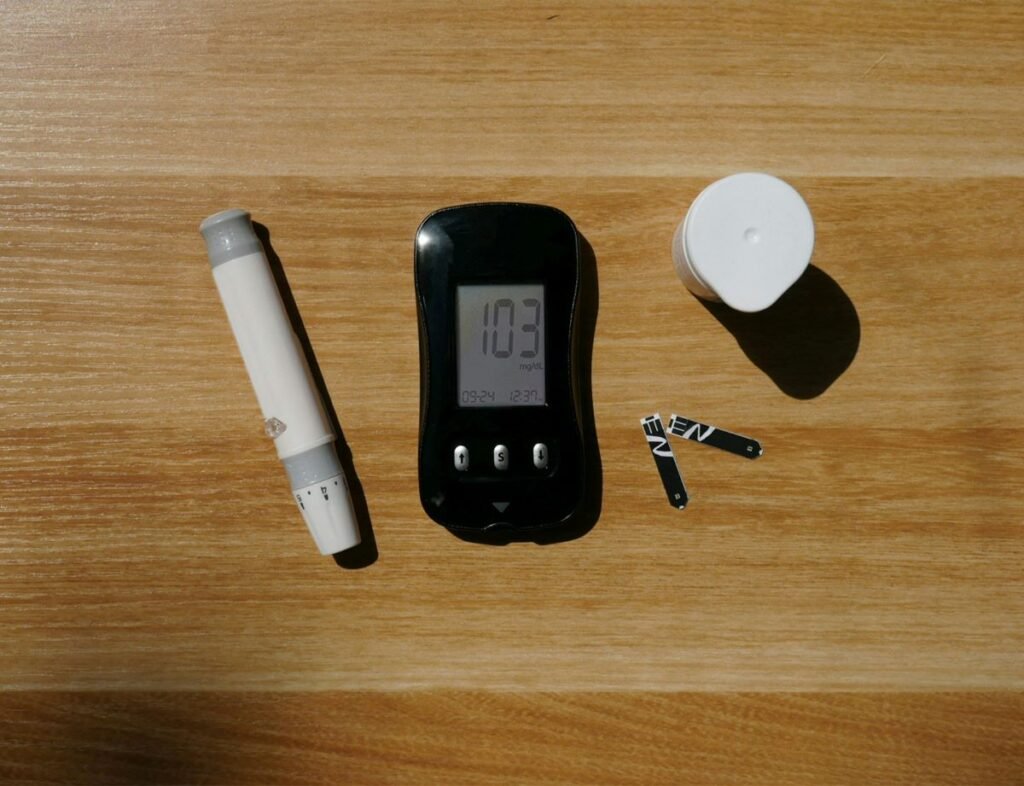
The Sugar Problem Nigeria Cannot Ignore
Nigeria is in the middle of a diabetes epidemic, and men are bearing a significant share of the burden. The International Diabetes Federation estimates that more than 3 million Nigerians are living with diabetes — and for every person who is diagnosed, there is likely another who has it and does not know. Type 2 diabetes develops when the body either does not produce enough insulin, or cannot use the insulin it produces effectively. Insulin is the hormone that allows glucose — the sugar from the food you eat — to enter your cells and be used as energy. Without it working properly, glucose accumulates in the blood instead. Over years, this high blood glucose silently erodes the kidneys, damages the nerves, destroys the small blood vessels in the eyes, and accelerates the hardening of larger blood vessels in the heart and brain. The damage is happening long before any symptom appears.
What Changed — Why More Nigerian Men Are Developing Diabetes
The rapid rise in type 2 diabetes in Nigeria mirrors urbanisation and changing lifestyles. Traditional Nigerian diets — high in vegetables, legumes, and whole grains — have been progressively replaced by a diet heavy in white rice, white bread, fried foods, sugary drinks, and processed foods. Physical activity has declined as more Nigerians move into desk-based work and car-dependent cities. These dietary and lifestyle changes interact with a genetic predisposition in many Nigerian men to develop insulin resistance. The result is a generation of men developing diabetes in their 30s and 40s, often without knowing it.
Symptoms — Why Men Miss the Signs
- Frequent urination — especially at night, waking multiple times to use the bathroom
- Excessive thirst that does not go away despite drinking
- Unexplained weight loss despite eating normally
- Persistent fatigue and weakness that does not improve with rest
- Blurred or changing vision
- Slow-healing wounds, cuts, or sores — especially on the legs or feet
- Tingling, numbness, or burning in the feet or hands (nerve damage that has already begun)
- Recurring skin infections, fungal infections, or thrush
- Erectile dysfunction — a very common early sign of diabetes and cardiovascular disease in Nigerian men, frequently dismissed out of embarrassment
- Most important: many men have none of these symptoms. Diabetes is found on a blood test — which is why testing matters.
The Complications That Change Lives
Uncontrolled diabetes causes complications that are far more disabling than the disease itself. Diabetic kidney disease is the leading cause of kidney failure requiring dialysis in Nigerian adults — and dialysis is expensive, largely unavailable outside major cities, and requires several sessions per week for life. Diabetic retinopathy — damage to the blood vessels at the back of the eye — is a leading cause of preventable blindness in Nigeria. Diabetic neuropathy causes a persistent, progressive burning and numbness in the feet that makes walking painful and removes the ability to feel injuries. Foot ulcers that develop on insensate feet, poorly treated in a healthcare system with limited wound care resources, frequently progress to amputations. All of these complications are largely preventable with proper management of blood sugar, blood pressure, and cholesterol.
What You Can Do Now — Before and After Diagnosis
- Eat three regular, balanced meals daily rather than one or two large ones — reducing the blood sugar spikes that come with large meals
- Significantly reduce your intake of white rice taken in large portions, bread, sugary drinks (malt, soft drinks, sweetened tea), and sweets
- Increase vegetables, beans, lentils, and oats — these have a lower glycaemic index and raise blood sugar more slowly
- Walk for at least 30 minutes after your main meal — this alone meaningfully reduces post-meal blood sugar levels
- Lose weight if you are overweight — even a 5 to 7% reduction in body weight can delay or prevent diabetes in those at risk
- Inspect your feet every day if you have diabetes — look for cuts, sores, blisters, or colour changes you did not notice
- Attend regular check-ups — your eyes, kidneys, and blood pressure need monitoring even when you feel well
How Doc on Wheels Can Help
Doc on Wheels can arrange a fasting blood glucose test and an HbA1c test — which shows your average blood sugar over the past three months — at your home. Our doctors can discuss your results, advise on dietary changes suited to Nigerian eating patterns, and connect you with the right care if your results are concerning. If you already have diabetes and have not had a recent check-up, reach out — monitoring saves limbs, kidneys, and eyesight.