
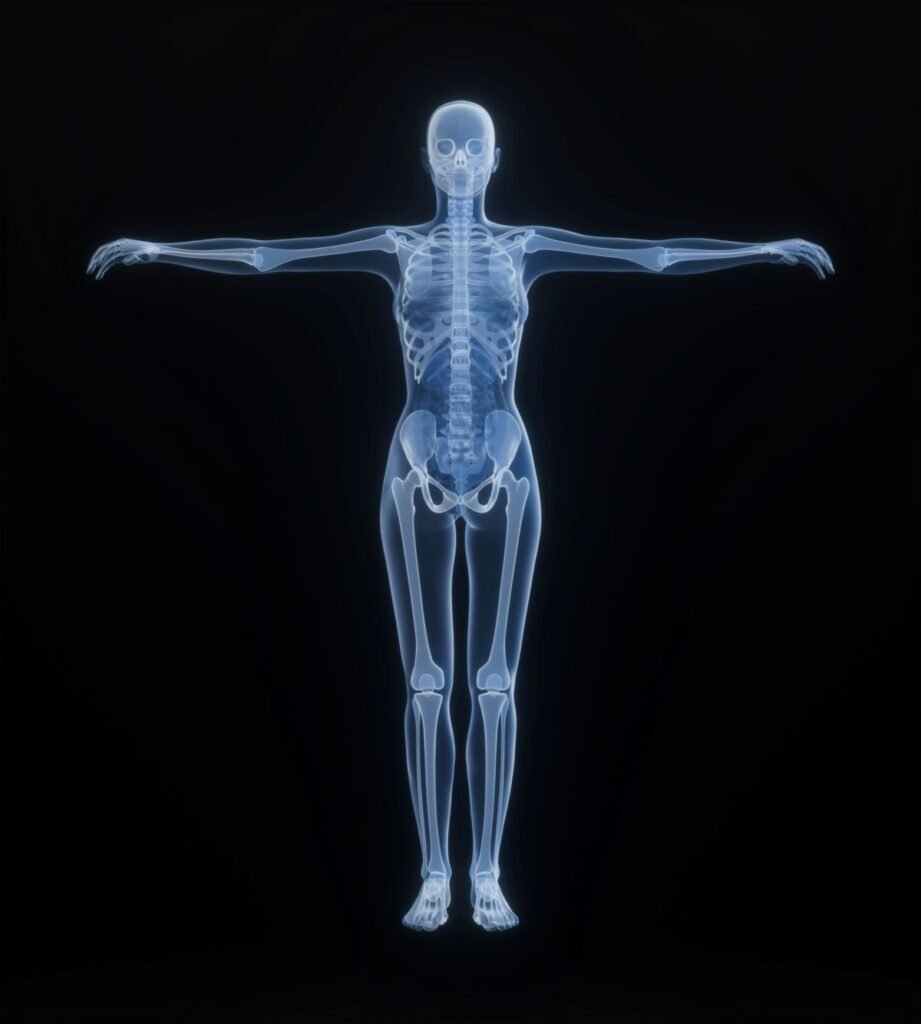
The Disease That Breaks Bones Before You Know It Exists
Osteoporosis is a condition in which bones gradually lose their density and strength from the inside, becoming fragile and increasingly likely to break — even from a minor fall, a sudden movement, or in severe cases, a sneeze or a cough. The problem is that none of this causes any pain, any swelling, or any noticeable change until the moment a bone breaks. This is why osteoporosis is often called the silent disease. Many Nigerians assume it is a ‘Western’ problem that does not affect African women. This is not accurate. While awareness is low, osteoporosis and fragility fractures do occur in Nigerian women — and as life expectancy increases and the population ages, it is becoming a more significant health concern.
Why Women Are Most Affected — and Why Menopause Is the Turning Point
Women have naturally smaller, lighter bones than men. More importantly, the hormone oestrogen — which women produce in significant quantities during their reproductive years — plays a critical role in slowing down the natural process of bone resorption. When a woman reaches menopause and oestrogen production falls sharply, the rate of bone loss accelerates dramatically. In the first five to ten years after menopause, a woman can lose up to 20% of her bone density. This is why the risk of osteoporosis is so much higher in postmenopausal women than in any other group. In Nigeria, where menopause often goes unrecognised and untreated, and where calcium and vitamin D intake can be suboptimal, this bone loss can be severe.
Why Nigerian Women Are Particularly Vulnerable
Several factors common in Nigerian daily life increase UTI risk. Limited access to clean water makes maintaining adequate daily hydration difficult, especially in dry northern states and in communities where water supply is inconsistent — and staying well-hydrated is one of the most effective ways to flush bacteria from the bladder before they multiply. The use of pit latrines without proper hygiene facilities makes maintaining correct wiping technique (front to back) more difficult. In communities where sanitary products are expensive or unavailable, prolonged use of the same pad creates a warm, moist environment that favours bacterial growth. Pregnancy significantly increases UTI risk — hormonal changes relax the muscles of the urinary tract, and a UTI in pregnancy that is not treated can progress to a kidney infection and trigger premature labour. For women with sickle cell disease — which is highly prevalent in Nigeria — recurrent UTIs are a serious ongoing concern.
Risk Factors to Be Aware Of
- Menopause — especially early menopause (before age 45) caused by natural factors, surgery, or medical treatment
- Family history — if your mother had a hip or spine fracture from a minor fall, your risk is significantly elevated
- Low body weight and a small, thin frame
- A diet consistently low in calcium throughout life — dairy products, sardines with their bones, dark green leafy vegetables like ugu and efo tete, and fortified foods all contribute to bone health
- Insufficient sun exposure and low vitamin D — while Nigeria has abundant sunshine, many women who cover up for religious or cultural reasons may not get enough skin exposure to produce adequate vitamin D
- Prolonged use of certain medications, including long-term corticosteroids (often used in conditions like lupus, asthma, and kidney disease, which are common in Nigeria)
- Smoking and heavy alcohol use
- Physical inactivity throughout life
Fragility Fractures — When a Small Fall Causes a Big Break
A fragility fracture is a fracture caused by a force that would not normally break a healthy bone — falling from standing height, for example, or stumbling on a kerb. The most common fragility fractures are of the wrist (from putting out a hand to break a fall), the spine (which can compress silently, causing back pain and a gradual loss of height), and the hip. A hip fracture in an older Nigerian woman is a particularly serious event — access to orthopaedic surgery is limited, rehabilitation services are sparse, and the combination of immobility, infection risk, and limited nursing support means that recovery is difficult and mortality in the months following a hip fracture is significant.
Building and Protecting Your Bones — What You Can Do
- Eat foods rich in calcium throughout your life — milk, yoghurt, and cheese in the amounts your diet allows; small fish eaten with their bones (like crayfish and sardines); dark green vegetables; fortified foods
- Get sunlight exposure daily — 15 to 20 minutes of sunlight on the arms and legs is enough for the body to produce adequate vitamin D in most Nigerian climates
- Exercise regularly — weight-bearing exercise (walking, jogging, dancing, climbing stairs) is far more effective for bone health than swimming or cycling because it places direct mechanical stress on bone, stimulating bone formation
- Do not smoke and limit alcohol
- Fall-proof your home — remove loose rugs, ensure good lighting, install a grab rail in the bathroom, wear proper footwear inside the house
- If you are over 50, post-menopausal, or have multiple risk factors, discuss a bone health assessment with a doctor
How Doc on Wheels Can Help
If you are a woman over 50, have gone through menopause, have had an unexplained fracture, or have several of the risk factors described here, you can speak to a doctor through Doc on Wheels to discuss whether further assessment is appropriate. Blood tests to check vitamin D levels and other relevant markers can be arranged at your home. Our doctors can advise you on bone health, refer you to the right specialist, and help you understand what steps to take.