
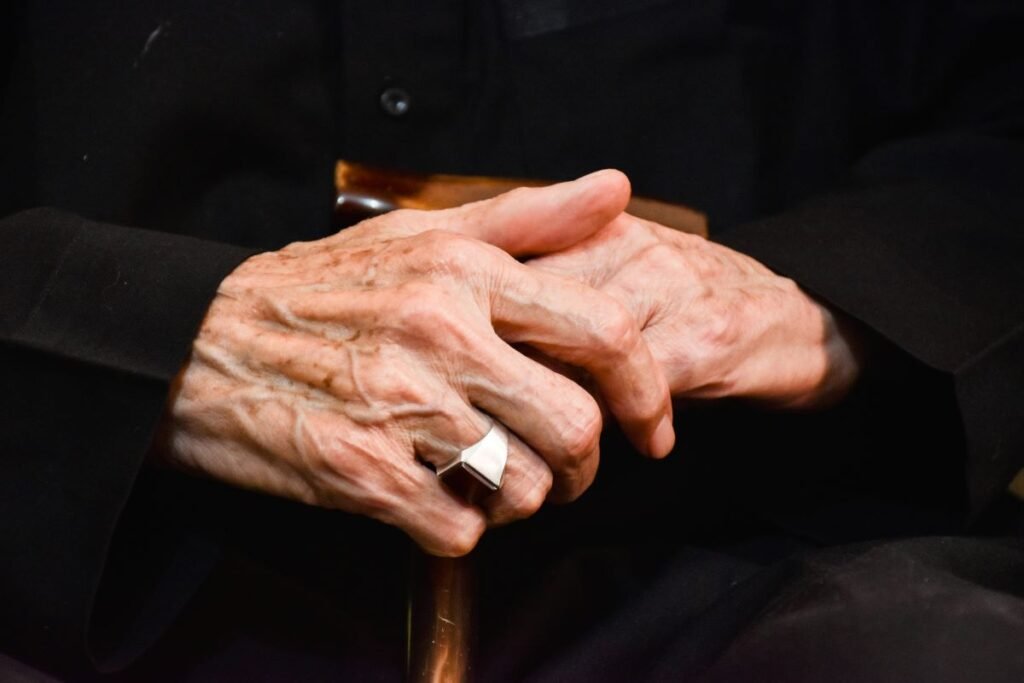
Living With Joint Pain — It Does Not Have to Be This Way
Arthritis — inflammation and degeneration of the joints — is one of the most common causes of pain and disability in older Nigerians, yet it is one of the most undertreated. Many older adults with arthritis have simply come to accept that severe joint pain is part of getting old — that the aching knees that make climbing the stairs a daily ordeal, the hands too stiff to prepare food in the morning, and the hips too painful for the walk to church are just what life at 65 or 70 feels like. This is not true. Arthritis is a medical condition with identifiable types, known causes, and effective management strategies. It is not an automatic death sentence for independence and quality of life.
Osteoarthritis — The Wear and Tear Type
Osteoarthritis (OA) is the most common form of arthritis and the most prevalent joint condition in Nigerian older adults. It develops when the cartilage — the smooth, cushioning tissue that covers the ends of bones in a joint — gradually breaks down through years of use, prior injury, and the effects of excess body weight on weight-bearing joints. Without this cushion, bone rubs against bone, causing pain, swelling, stiffness, and reduced range of movement. The knees are the most commonly affected joint in Nigerians, followed by the hips, the spine, and the hands. Being overweight is one of the strongest modifiable risk factors for knee osteoarthritis — every kilogram of excess body weight places approximately four kilograms of additional force through the knee joint with each step.
Rheumatoid Arthritis — When the Immune System Attacks the Joints
Rheumatoid arthritis (RA) is an autoimmune disease — the body’s immune system mistakenly attacks the lining of the joints (the synovium), causing chronic inflammation that, if not treated, progressively destroys cartilage and bone. Unlike osteoarthritis, RA commonly affects younger adults as well as older people, is more common in women, and typically affects small joints symmetrically — both hands, both wrists, both feet at the same time. The characteristic feature that distinguishes it from osteoarthritis is prolonged morning stiffness — joints that are not just stiff for the first few minutes of the morning but remain stiff and difficult to use for an hour or more. RA also causes fatigue, mild fever, and a general feeling of being unwell — signs that the entire body is experiencing inflammation, not just the joints. Untreated RA progressively destroys the joints and dramatically increases the risk of cardiovascular disease.
How to Tell Them Apart — Symptoms at a Glance
- Osteoarthritis: pain that is worse with activity and better with rest; morning stiffness lasting less than 30 minutes; affects large weight-bearing joints (knees, hips) and hands; develops gradually over years in older adults
- Rheumatoid arthritis: morning stiffness lasting more than one hour; joints that are warm and swollen; symmetrical pattern (both sides affected); fatigue and general feeling of unwellness; affects small joints of hands and feet first
- Gout: sudden, excruciating pain — often in the big toe — coming on overnight or in the early morning; the joint becomes intensely red, swollen, and warm; triggered by rich foods, alcohol, dehydration, or certain medications
- Any joint that is newly swollen, warm, and painful — particularly with fever — needs urgent medical assessment to rule out infection
What Helps — Movement, Weight, and More
The most evidence-backed intervention for osteoarthritis is exercise — specifically, strengthening the muscles around the affected joint. Strong quadriceps muscles, for example, reduce the force transmitted through the knee joint and significantly reduce pain. This seems counterintuitive when the knee already hurts, but it is well established: the right exercise, guided by a physiotherapist or knowledgeable health worker, reduces arthritis pain rather than worsening it. Losing weight for those who are overweight reduces knee and hip arthritis pain substantially. Applying warmth before gentle exercise loosens the joints; applying a cold pack after activity reduces post-exercise swelling. Paracetamol (taken correctly) provides pain relief for flares of osteoarthritis. For rheumatoid arthritis, early medical treatment is essential — delayed treatment allows joint destruction to progress.
How Doc on Wheels Can Help
If joint pain is significantly affecting your daily life or mobility, you can speak to a doctor through Doc on Wheels from home. Our doctors can assess your symptoms, distinguish between types of arthritis, arrange relevant blood tests at home, and refer you to a rheumatologist or orthopaedic specialist. For older adults who cannot easily travel to clinic because of the very joint pain that needs treating, we bring the assessment to you.