
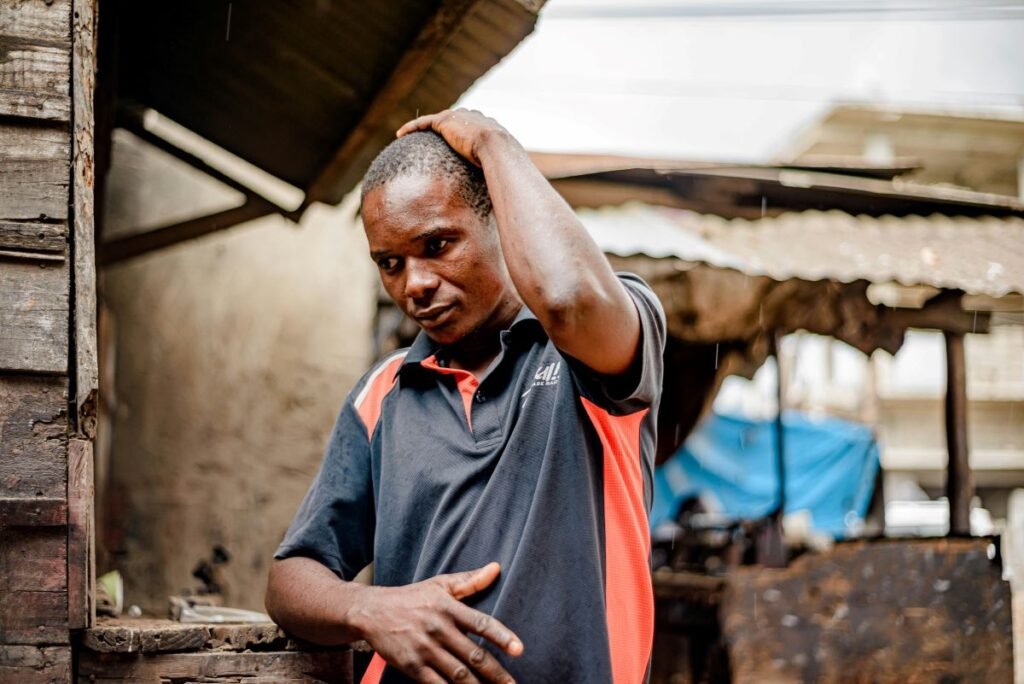
The Numbers Nobody Talks About
Men die by suicide at three to four times the rate of women globally, and this pattern is replicated in Nigeria. Yet depression in men is dramatically underdiagnosed, undertreated, and under-discussed. Part of the reason is that Nigerian masculinity — like masculinity in many cultures — carries an expectation of emotional stoicism: real men do not cry, do not show weakness, do not talk about feelings, and certainly do not go to a doctor because they are sad. This cultural script, reinforced from boyhood, creates men who suppress and internalise their emotional suffering until it either explodes outward in aggression and recklessness, or collapses inward in hopelessness and suicide. The silence around men’s mental health in Nigeria is not neutral — it is lethal.
Why Men’s Depression Is Missed
Depression in men rarely looks like the textbook picture of a sad, tearful, withdrawn person. In men, depression more commonly manifests as chronic irritability and short-temperedness with family — being easily provoked, disproportionately angry, or cold and distant. It appears as a gradual withdrawal from things that once brought pleasure — football, church, the children, friends. It shows up as reckless behaviour, excessive risk-taking, and a ‘what’s the point’ attitude towards personal safety. It drives significantly increased alcohol consumption — not as celebration, but as numbing. Men with depression in Nigeria are more likely to be called difficult, angry, irresponsible, or spiritually attacked than to be recognised as ill. And so they go undiagnosed and untreated, sometimes for years.
Signs to Take Seriously — In Yourself or Someone You Know
- Persistent irritability, anger outbursts, or emotional coldness that is out of character and ongoing
- Gradually withdrawing from family, friends, church, and activities that previously brought enjoyment
- Significantly increasing alcohol or other substance use as the main way of managing daily life
- Reckless or impulsive behaviour — driving dangerously, picking fights, making destructive financial decisions
- Expressing hopelessness — a persistent sense that things will not get better, that life has no purpose
- Saying things like ‘everyone would be better off without me’, ‘I am tired of living’, or ‘there is no point’ — these are not venting, they are warning signs
- Giving away valued possessions, saying final-sounding goodbyes, or unusual calmness after a period of distress
- Any expression of intent to harm oneself is a medical emergency — treat it as one
What Drives Depression in Nigerian Men
- Financial pressure — the expectation placed on Nigerian men to single-handedly provide for an entire household, support extended family, pay school fees, and meet endless social obligations creates chronic, crushing stress
- Unemployment and economic insecurity — particularly acute for young men in a country with very high youth unemployment
- Relationship breakdown, infidelity, or divorce — in a culture where male identity is heavily tied to family leadership
- Bereavement — particularly sudden loss of a parent, spouse, or child
- Chronic physical illness — diabetes, hypertension, HIV — which significantly increases depression risk
- Shame and social humiliation — public failure, legal trouble, or loss of status in the community
What Actually Helps
The evidence is clear: talking therapies — particularly Cognitive Behavioural Therapy (CBT) — are highly effective for depression in men, especially when framed as practical strategies for dealing with problems rather than ‘therapy’ in the way it is culturally understood. Regular physical exercise — consistent enough to raise the heart rate — has a genuine, measurable antidepressant effect and is one of the most accessible interventions for men who are resistant to formal mental health care. Reducing alcohol is essential — not because it is morally required, but because alcohol is a central nervous system depressant and actively worsens depression over time despite the temporary relief. Re-engaging with trusted social relationships — one or two people with whom you can be genuinely honest — is among the strongest protective factors. And for many men, the right medical care, guided by a doctor who listens without judgement, makes the difference between surviving and thriving.
How Doc on Wheels Can Help
Doc on Wheels provides a private, confidential consultation with a doctor from your own home — no waiting room, no chance of a neighbour seeing you walking into a mental health clinic. Our doctors listen, assess, and help you find the right path forward — whether that is a referral to a therapist, a specialist, or simply a conversation that leads somewhere constructive. You can also reach out on behalf of a man in your life whom you are worried about. The hardest part is starting the conversation. We are here when you are ready.